


 31 Jul 2025
Bundu Tuhan: Rooted Futures, Spoken in Many Tongues
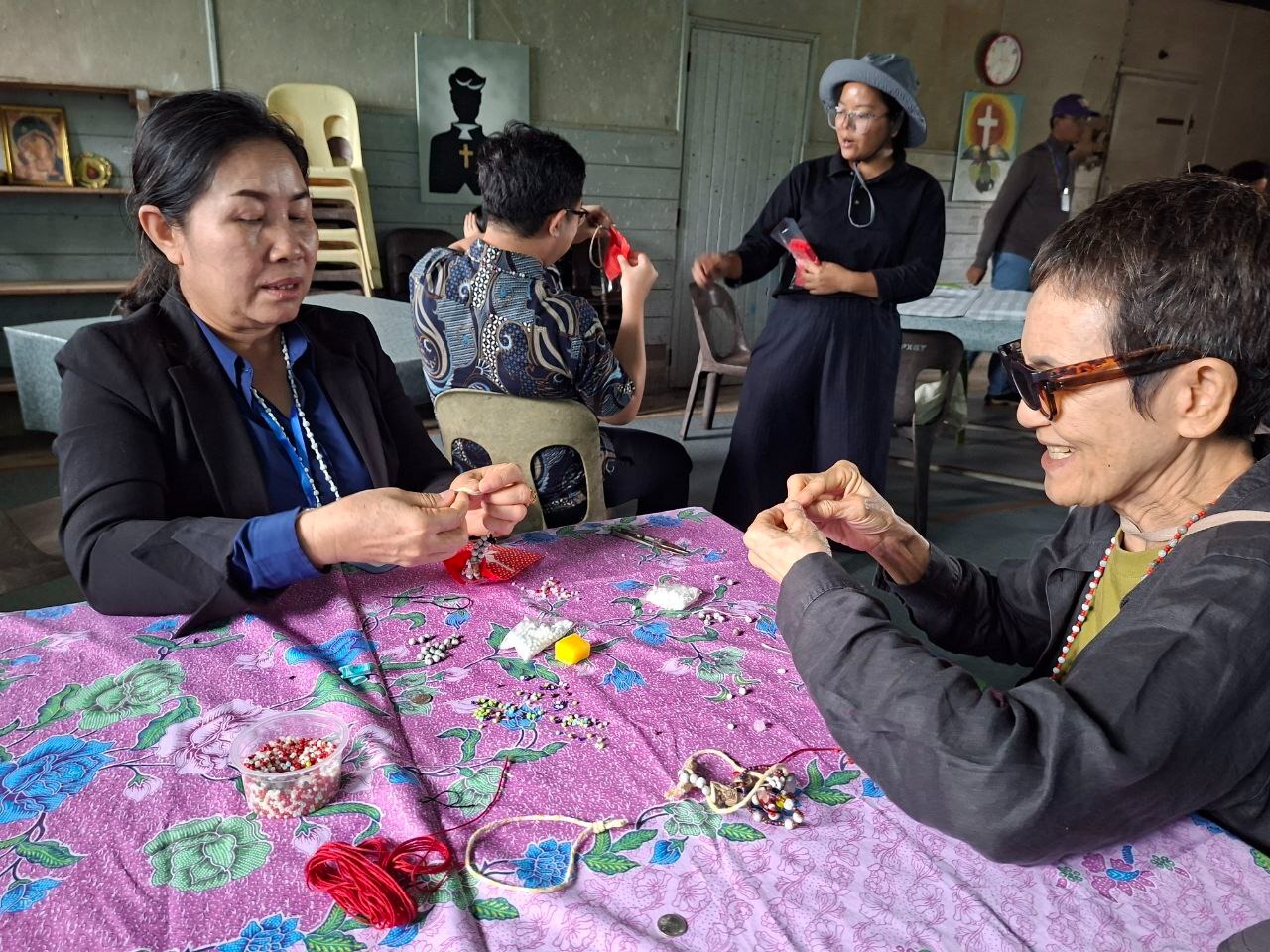
SEANNET 2025 Kundasang participants making Mamasi Komburongoh; beading with plant-based Komburongo roots.
On the mist-covered slopes of Bundu Tuhan, cultural knowledge is not just remembered, it is practiced, sung, danced, planted, and protected. For SEANNET 2025 participants, this village became an example of how communities define their future, not through demands for visibility, but through grounded acts of stewardship and care. At the heart of this is Asset-Based Community Development (ABCD): a way of leading with what one has, not what one lacks. The welcome in Bundu Tuhan was not one voice, but many. We were greeted by adat[1] (or customary law) custodians in the balai adat, where stories of history and guardianship flowed. From there, we moved to Soguanggo, the communal hall whose very name is an act of resistance and self-definition, honouring the power of language, identity, and place. The day began with a Sinurondoi dance, led by the elder women of the villagers, under the guidance of Mr Adrian Soidi’s Heritage and Cultural Custodian. Bundu Tuhan is a landscape that teaches. The Dumowongi, an aromatic garden, showed us how plants can be memory keepers. Visits to sacred sites such as Patod, Ragas, Pampang, Winokok became quiet, embodied lessons in the connection between nature and ancestry. The youth, in particular, are reclaiming their space through agro-learning, refusing to let modernity sever their relationship with the land. Inside Soguanggo, women guided us in Mamasi Komburongoh; beading with plant-based Komburongo roots, reviving an art form once deeply tied to ritual. In the kitchen, we learned to prepare linopot, the leaf-wrapped rice that is a staple of Kadazan-Dusun tradition. Mrs. Doloris Andang and Mrs. Joanese James Ghani shared reflections on why these acts, small and large, hold the community together.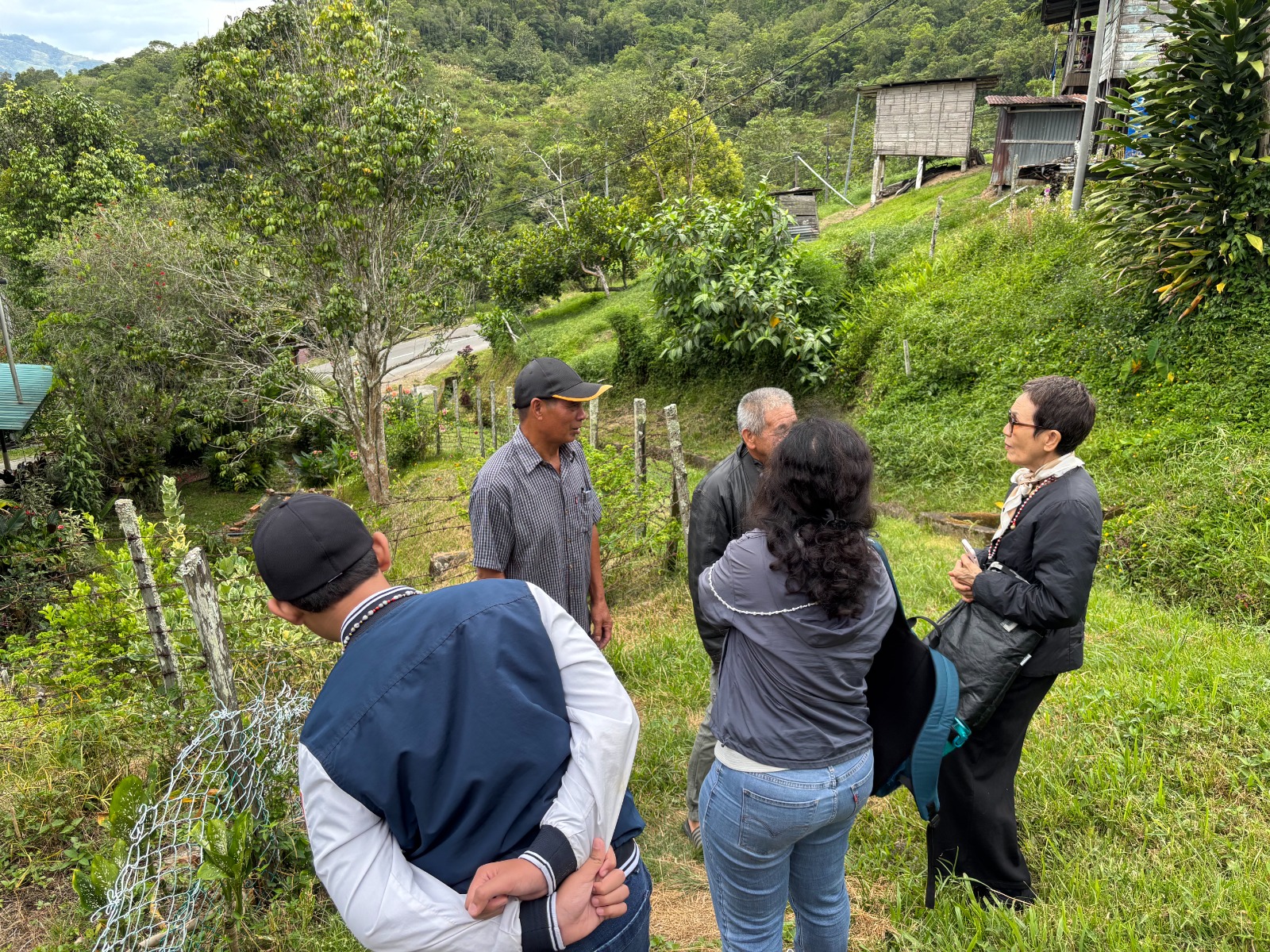
Bundu Tuhan community members sharing about the history of their land to SEANNET 2025 Kundasang participants
One message echoed throughout Bundu Tuhan: they are doing this work already. Forest management, cultural stewardship, protection of language has been a journey that has been undertaken by the generations of Bundu Tuhan for decades. What they want is legitimacy, not token recognition. They worry that, in the rush of policies and urbanisation, their voice can be drowned out. Bundu Tuhan shows us a model of environmental care that starts with roots; roots in land, language, and relationships. Bundu Tuhan does not ask for permission to lead, they are already leading. The question remains whether the institutions that shape policy will listen and walk with them, not ahead of them.Written by Gaayathrey Balakrishnan
[1] Adat is known as an enshrined set of Native customary laws that is governed by the Sabah Native Court. Adats are highly revered and respectd throughout the state, so much so, that it is vital in caring for the forest, animals and people – else, it runs the risk of creating an environment that breeds hostility, illness and hate. (Berinai, 2024)
Berinai, J. (2024). Exploring Indigenous Spirituality: The Religio-Cultural Background of the Indigenous Peoples of Sabah. Asia Journal of Theology, 38(1), 33-48.